Nicola MacLeod · CBC News · Original Article
Prince Edward Island’s Lennox Island First Nation is set to launch its first moderate livelihood fishery — or treaty fishery — on Saturday.
The fishery is not authorized by the Department of Fisheries and Oceans, after negotiations to reach an agreement were unsuccessful, but the First Nation says it doesn’t have to be.
To understand the significance of the decision to proceed without a nation-to-nation agreement in place, it’s important to know the history of the ongoing debate and the unique treaty rights held by the Mi’kmaq as the original inhabitants of the Maritime region.
- P.E.I.’s Lennox Island First Nation to launch treaty lobster fishery without DFO deal
- Mi’kmaq tackle decades-old standstill on fishing rights with historic, self-regulated lobster fishery
Agreements still binding
Before Canada was established as a country, British settlers and Mi’kmaq made a series of agreements. The Peace and Friendship Treaties were signed in the 1760s to ensure co-existence of the two groups.
The signed treaties outline the responsibilities of the British Crown to the Mi’kmaq, like providing continued access to hunt and fish on their own land and to trade and sell those products, but the Mi’kmaq never actually cede or give up their land to the colonizers.
Those treaties have since been affirmed under Section 35 of the Constitution and applied in decisions by the Supreme Court of Canada, the most notable being the Marshall Decision.
“I want the commercial fishers all across P.E.I. to have a great season, but I want us too to have that. That’s all, we just want the same.— Chief Darlene Bernard”
Donald Marshall Jr. was a Mi’kmaw man from Nova Scotia who was fishing eels outside of the designated season. He was charged, but took his case all the way to the Supreme Court in 1999.
The court ruled that he was justified in fishing those eels, because of the Peace and Friendship Treaties.
It’s considered to be a landmark case for Indigenous people, a ruling by the highest court affirming Mi’kmaw nations’ clear rights that predate Canada as a nation, and those agreements from almost 300 years ago are still in place today.
But in a rare clarification from the Supreme Court just months later, the court said although the Mi’kmaq have a right to fish for what it called a “moderate livelihood,” the federal government could still regulate the fishery, but only for an important public objective like conservation.
Even then, limiting the treaty right must be justified by the Canadian government, with as little impact to the right as possible, and there still had to be consultation with the First Nations groups.
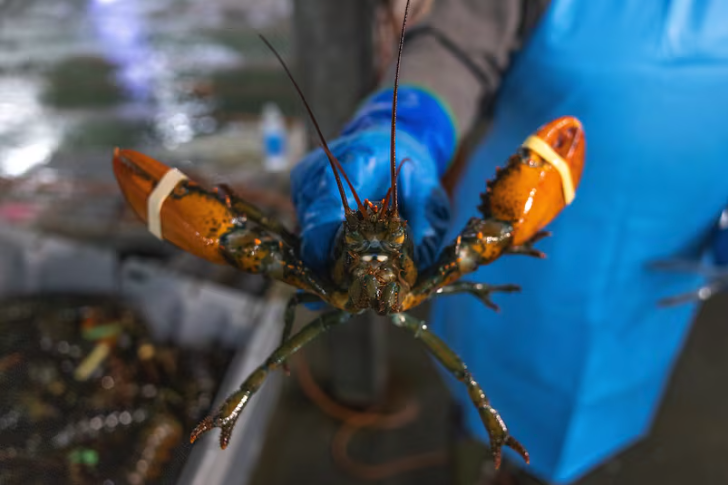
The Mi’kmaq made it clear that they wanted greater access to the fisheries they believe they have been systemically cut out of since colonization — the largest being lobster — and negotiations between First Nations communities in the Atlantic provinces and DFO began.
In 2000, the Marshall Response Initiative generated interim agreements to get First Nations into the commercial lobster industry. Today, Lennox Island has about 25 commercial fishers, and Abegweit First Nation also has community members who fish commercially.
But First Nations maintain that greater access to the commercial fishery never replaced their treaty rights to fish for a “moderate livelihood” — a term that has never been defined.
Modern revival of treaty rights
Eventually, some First Nations grew tired of waiting and said that if the Canadian government would not define moderate livelihood, they would define it themselves and launch a self-regulated fishery.
In Sept. 2020, the Sipekne’katik First Nation launched its treaty fishery in Saulnierville, N.S., 21 years to the day after the Marshall Decision.
Around the same time, other First Nations declared intentions to do the same, including both Lennox Island and Abegweit First Nations.
- CBC EXPLAINSLivelihood or profit? Why an old fight over Indigenous fishing rights is heating up again in Nova Scotia
- Abegweit First Nation says it won’t launch treaty lobster fishery off P.E.I. this year
Since Sipekne’katik launched its fishery without authorization from DFO, the department has been in negotiations with First Nations around the region to launch “authorized” moderate livelihood fisheries.
As of May 6, five First Nations in Nova Scotia had reached interim understandings with DFO and launched their own fisheries.
On Prince Edward Island, L’nuey — the province’s Mi’kmaq rights initiative — was negotiating on behalf of both Lennox Island and Abegweit First Nations.
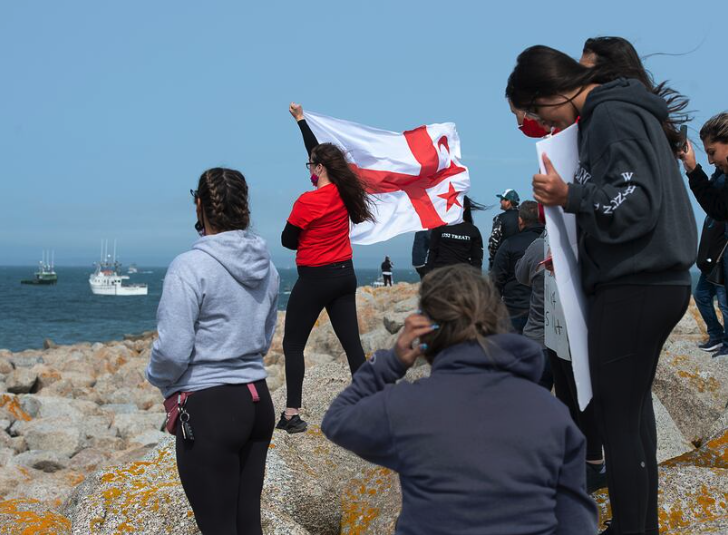
In a news conference last Friday, Abegweit Chief Junior Gould said they walked away from the table about a year ago due to what he characterized as an unsatisfactory offer, and recent negotiations between his First Nation and DFO have been equally unsuccessful.
Drawing on the history of colonization and mistreatment of Indigenous people through initiatives like the residential school system or Sixties Scoop, the Chief told the room “they brought nothing to the table but trinkets and beads. The only thing they have stopped taking to the table is a blanket covered with smallpox.”
No deal reached
Abegweit will be holding off on its fishery a while longer, while Lennox Island plans to launch its fishery on Saturday, without an agreement in place with the federal government.
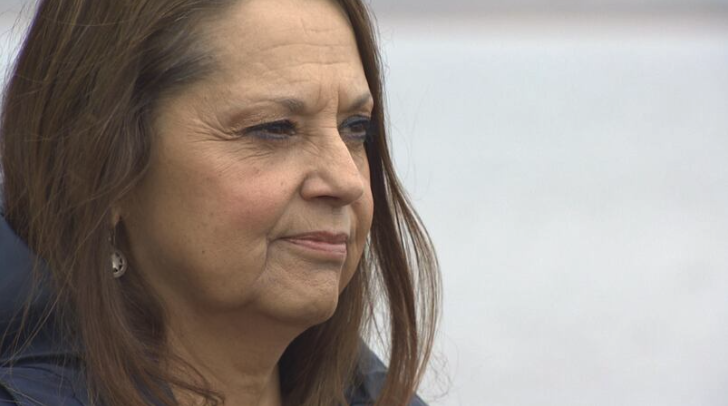
But Chief Darlene Bernard said they did try to reach a deal.
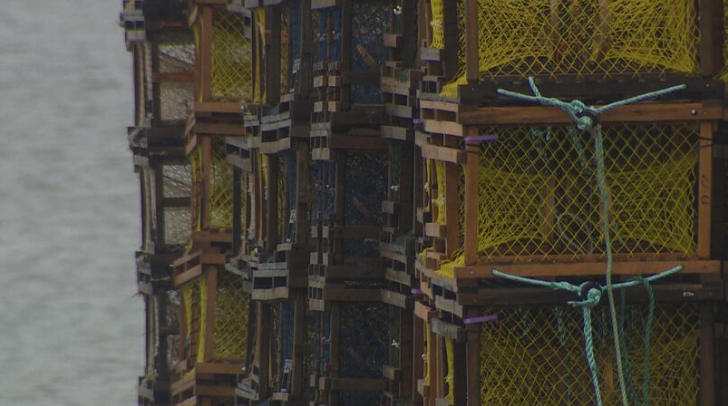
She said Lennox Island went back to negotiating with DFO in anticipation of launching the fishery, and told the government about its plans to set 1,000 lobster traps.
The average lobster license is around 300 traps and Lobster Fishing Area 24, along P.E.I.’s North Shore where Lennox Island is located, has a total of about 190,000 traps.
Bernard told CBC News that DFO said it could authorize a treaty fishery for Lennox Island this season, but with only 300 traps.
Last year Ottawa revived buy-back initiatives — where it buys out commercial fishers from the industry and reallocates their licenses — to implement the moderate livelihood fishery in the Maritimes without increasing the number of traps. That way, no more lobster would come out of the Gulf waters.
“For the sake of 700 traps that they were responsible for securing and they didn’t, it’s going to cause all this conflict and confusion and upset,” Bernard said.
“We all should be getting along great, and everybody should be happy and making livelihoods, right? That’s all I want. I want the commercial fishers all across P.E.I. to have a great season, but I want us too to have that. That’s all, we just want the same.”
- P.E.I. First Nations continuing talks, consultation on Mi’kmaw fishery
- P.E.I. Mi’kmaw chiefs denounce DFO’s ‘moderate livelihood’ fishery plan
Without that agreement in place, DFO calls this an “unauthorized” fishery, which means it could be subject to enforcement. That could be trap seizures or fines, which Lennox Island has warned its fishers about in a note that went out to the community last week.
In a statement, a DFO representative said the department is following the situation closely.
“Our fishery officers monitor activity in all fisheries governed by the Fisheries Act,” reads an emailed response from Barre Campbell. It is their job to work objectively, professionally and with respect to ensure the Act is complied with.
“Officers will take a progressive approach, including educating, issuing warnings and laying charges, and as always, they will take situational factors into consideration. Actions could vary according to circumstances.”
The approach of one trap in, one trap out is one with which the P.E.I. Fishermen’s Association agrees.
“The PEIFA remains committed to working with our First Nations and governments in seeking viable long term solutions that are equitable to all harvesters and protect our valuable ocean resources,” it said in a written statement.
It also said any enforcement issues related to the fishery should be administered in an appropriate, fair and consistent manner by DFO.
“There remains many differing opinions and unresolved issues around the Lennox Island Treaty-Based fishery, as according to DFO this is an unauthorized fishery,” the statement said.
But Chief Bernard said the government’s inability to purchase those 700 traps for her community’s fishery rests on the shoulders of the government, and should not qualify as a reason to limit Lennox Island’s treaty right to fish.
Historic launch Saturday
The nation has drafted a management plan for its self-regulated fishery and plans to put those 1,000 traps with tags in the water Saturday. Bernard said the traps will be standard commercial lobster traps and they will fish within the dates of the commercial lobster season.
Both the commercial and treaty fishers will sell their lobster to Fisherman’s Pride, and Fisherman’s Pride sells all the lobster to other buyers.
- VideoWhat’s behind the violent dispute over a N.S. lobster fishery
- Potlotek lobster traps seized for a ‘variety of reasons,’ says DFO
Tensions and violence escalated in Saulnierville in 2020, where non-Indigenous fishers called what Sipekne’katik was doing “illegal.”
But on the Island, the PEIFA said it strongly advocates for peace on the water and urges leaving any enforcement to DFO and other authorities.
“Of primary importance to all is the safety of staff, all harvesters and the general public,” reads the statement from DFO representative Barre Campbell.
“We will continue to work closely our partner agencies, departments and the provincial government.”
The topic was also raised in the legislature last week.
“RCMP has been working with First Nations very closely on this to ensure the safety of all Islanders and ensure a good relationship,” Minister of Public Safety and Justice Bloyce Thompson told the house.
Chief Bernard said Saturday’s launch of the fishery is a positive for her community and a milestone in the evolution of Lennox Island First Nation implementing its treaty rights.
“I hope they’ll be busy and happy and people will be excited. That’s what I want to see,” she said.
“I don’t want to see concern, I don’t want to see people being afraid, because I think we’re better than that.”