By Rosemary Godin • Original Article • 5 minute read
Demonstrations over Mi’kmaq rights on the road to Hunters Mountain, raids of Mi’kmaw cannabis dispensaries across the island and news on restitution were among the hot topics of discussion covered in Indigenous communities over the past year.
HUNTERS MOUNTAIN
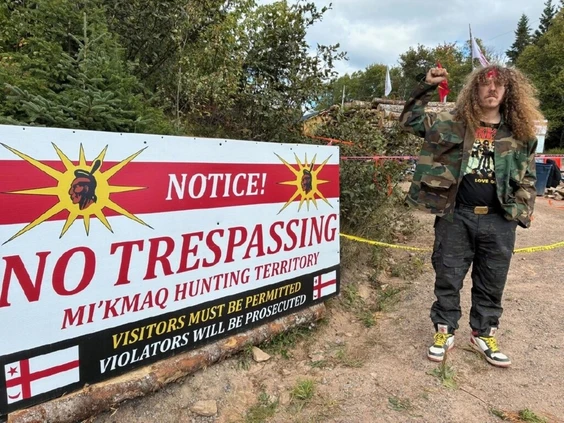
Enough was enough in 2025 for the Mi’kmaq people who organized a peaceful protest and set up a campsite on Sept. 4 at Hunter’s Mountain on the Cabot Trail. It wasn’t just a protest against the logging operations that have gone on for years on the mountain, but a protest against the provincial government which the Mi’kmaq feel has been ignoring their concerns, needs and way of life for too long.
On Sept. 3, the Mi’kmaq Rights Association served notice that the Mi’kmaq people would gather at the entrance to the mountain in Victoria County that has been logged by local pulp and paper companies for years.
“For generations, we have been the caretakers of these mountains, rivers, and forests,” the association said. “Yet our voices are ignored while others profit from what is rightfully ours. Logging operations continue unchecked — even during the so-called “wilderness ban”— while the very First People of these lands were excluded. No revenues from these operations are shared with our Nations.”
The Assembly of Mi’kmaw Chiefs, representing 13 First Nation communities in Nova Scotia supported the community-led protest and put out its own statement.
“The proposed demonstration appears to be directed at the province’s mismanagement of the Highlands eco-system, which has contributed to a decline in the moose population and the overall ecological health of the region. The Assembly acknowledges that these concerns are valid and deserve serious attention. The Assembly agrees there is merit in those concerns.”
The protest continued through the next few weeks peacefully, but tension between logging equipment operators and protesters (which included Indigenous and non-Indigenous supporters) led to the stop of logging operations in late September.
In October, the government enacted a law that made it a criminal act to interfere with equipment on all logging roads in the province.
From September to December, tents and two log buildings used as a kitchen and housing for women, children and elders were set up beside the roadway. People came and went in support of the protesters who indicated they were in this for the long haul.
As the weather grew colder, the sacred fire that had burned since Sept. 4 was extinguished in ceremony and a decision was made to leave the camp with daily checks from local residents until a return of the Mi’kmaw in Spring.
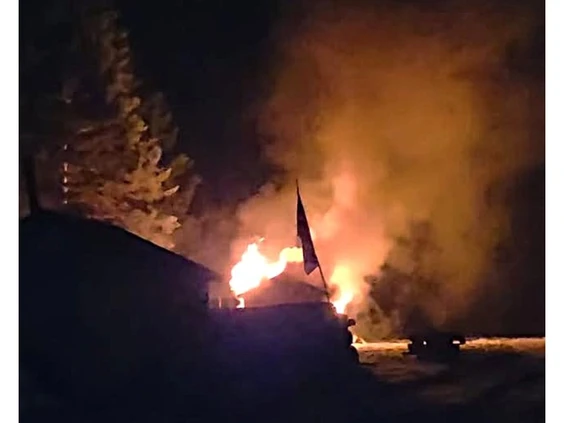
However, in the early hours of Dec. 13, two suspicious fires were set at the camp and buildings destroyed. Protesters have vowed to return to protect the mountain again “bigger and better” in the spring.
CANNABIS CONTROVERSY
In Nova Scotia, the provincial government regulates the sale of cannabis through 50 licensed dispensaries at Nova Scotia Liquor Corporation stores across the province. The Mi’kmaw believe they have the right to sell cannabis through historic Treaty Rights.
Raids on what the government considers to be illegal stores in First Nation communities happen occasionally, but in December, provincial Attorney General Scott Armstrong sent a directive to the RCMP and local police to crack down on enforcement of the law.

The surprise move angered communities that are presently working on their own regulations to address problems of community safety and assert their right to be free from government control.
MILLIONS FOR LANGUAGE
In February, the federal government announced an investment of $7.1 million over five years to support the revitalization of the Mi’kmaw language.
Language was one of the historic losses caused by the presence of the Residential School system in Canada. English-only schools meant the Mi’kmaq language was in danger of dying out in some places of Nova Scotia.
Over the past year, funds for language revitalization have been distributed to Cape Breton First Nations through an organization called Mi’kmaw Kina’matnewey, which is a collective voice for Mi’kmaq education and culture in Nova Scotia.
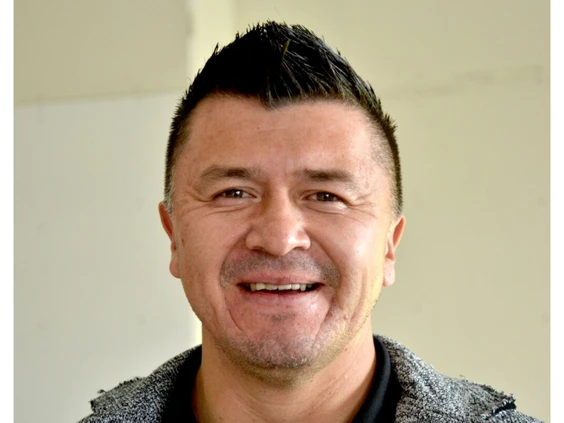
Its board chair Chief Leroy Denny of Eskasoni said at the time of the announcement that revitalizing the Mi’kmaq language is a top priority.
“An investment such as this opens up new possibilities for communities to creatively address their language needs, allowing for innovative approaches that are tailored to local contexts.”
KING’S ROAD RESTITUTION
In late 2025, Membertou First Nation moved ahead with its Kings Road Specific Claim against the Canadian government. Membertou First Nation executive director Trevor Bernard informed community members they are ready to submit a formal claim in early 2026 based on environmental racism of 100 years ago.
“We’re going to bring forward a strong case,” he said. “And we hope the process will not be an adversarial one.”
Next year marks the 100-year anniversary of the first homes being built at the present site of Membertou after the community was forced to move from prime waterfront land in Sydney.
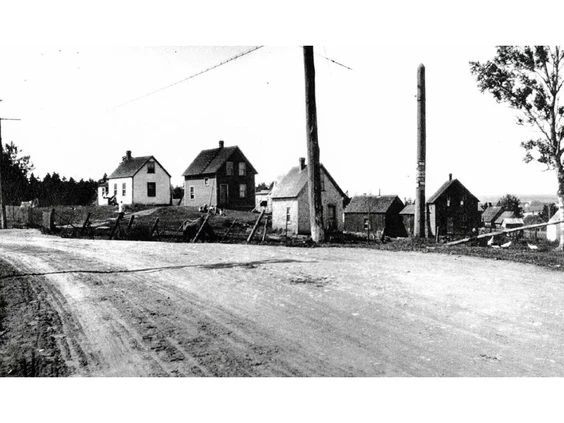
The First Nation in Cape Breton is seeking to right the wrongs done in the early part of the 20th century when the historic community was forced from its two-and-three-quarter acre waterfront land and settlement. People lost their livelihoods; their homes; their skills and artifacts; and their emotional and spiritual security.
Bernard made clear that this is not a treaty or title claim, but one looking for restitution based on administrative abuse and negligence by the government.
MI’KMAW SUMMER GAMES
Wagmatcook First Nation hosted the Mi’kmaw Summer Games 2025 in August that attracted thousands of participants and spectators from across Mi’kma’ki. With 2,300 athletes registered, it was estimated this year’s games brought 5,000 visitors into the small community on the shores of the Bras d’Or Lakes.
Each year, the games are hosted by one of the seven Mi’kmaw nations in Mi’kmaki. Chief Norman Bernard of Wagmatcook said he was pleased with the spin-offs from the event which included social, cultural and economic benefits for the area.
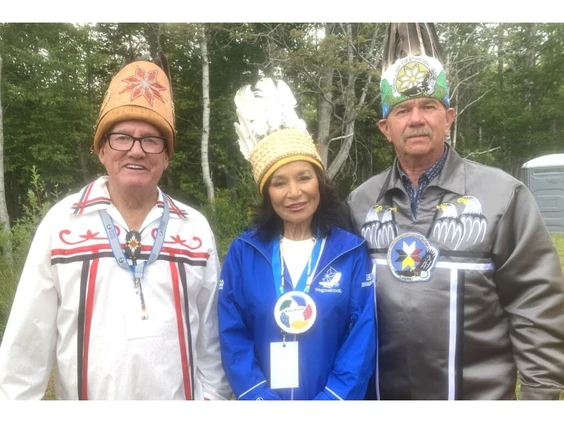
Chief Bernard called the games a “tremendous success” and thanked the planning committee.
“Your vision, commitment and attention to detail created one of the most memorable and well-organized summer games we have ever experienced here in Wagmatcook.”
It was announced that the 2026 games will be held in Sipekne’katik.
2025 Honourable Mention: Membertou Chief Terry Paul received many honours during 2025 including being chosen to represent Atlantic Canada on the new Indigenous Advisory Council for the federal Major Projects Office and being named to the 2026 Canadian Business Hall of Fame.
Rosemary Godin is the Local Journalism Initiative reporter for the Cape Breton Post, a position funded by the federal government.