
From APTN News by Cierra Bettens & Jesse Staniforth May 15 2026
Amid RCMP raids on unlicensed cannabis dispensaries in Mi’kma’ki, some First Nations leaders are calling for changes to Canada’s Cannabis Act.
This week on InFocus, APTN online reporter Jesse Staniforth, who wrote a story about what some leaders are calling for to clarify the law, joins me to discuss how the Act is impacting First Nation communities and what changes are being proposed.
The Cannabis law was passed in 2018 under former prime minister Justin Trudeau. But as Staniforth points out, it doesn’t include any mention of First Nations, Inuit or Métis people.
“That was a really big red flag when the Act was tabled as a bill in 2018,” Staniforth said. “It passed over arguably the most complicated aspect of legalization, which is how on earth do you harmonize legalizing nationally with Indigenous rights and treaty?”
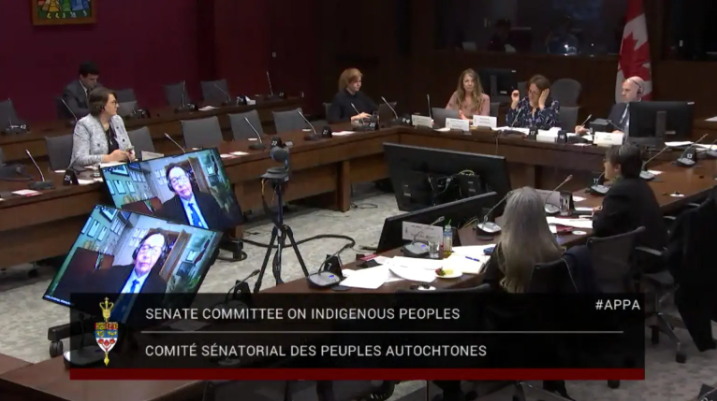
Former sen. Dan Christmas is among those pushing for change. In late April, Christmas, a member of the Membertou First Nation, spoke to the Senate Standing Committee on Indigenous Peoples.
He said the Cannabis Act “has failed to accommodate First Nations jurisdiction to regulate the health, safety, and well-being of their communities as it relates to cannabis”.
Christmas proposed adding an amendment to the Act recognizing First Nations’ right to self-government.
“He’s referring to the inherent right of self-government as it appears in Section 35 of the Constitution,” Staniforth said. “He wants to add in that that includes jurisdiction that extends to ‘those services pertaining to cannabis and authority to administer and enforce laws made under that legislative authority’.”
As tensions rise between the RCMP and Mi’kmaq communities in Nova Scotia, Staniforth senses that Christmas’s proposal is attracting interest.
“The situation in Nova Scotia right now is pretty bad. The province is conducting raids on First Nations. First Nations are closing their borders. They’re banishing provincial officials,” Staniforth said. “I think a lot of people are looking for the opportunity to turn the temperature down around cannabis on reserve and turn it into a discussion about what can be constructive.”